
The ITA version is at the bottom of this page here
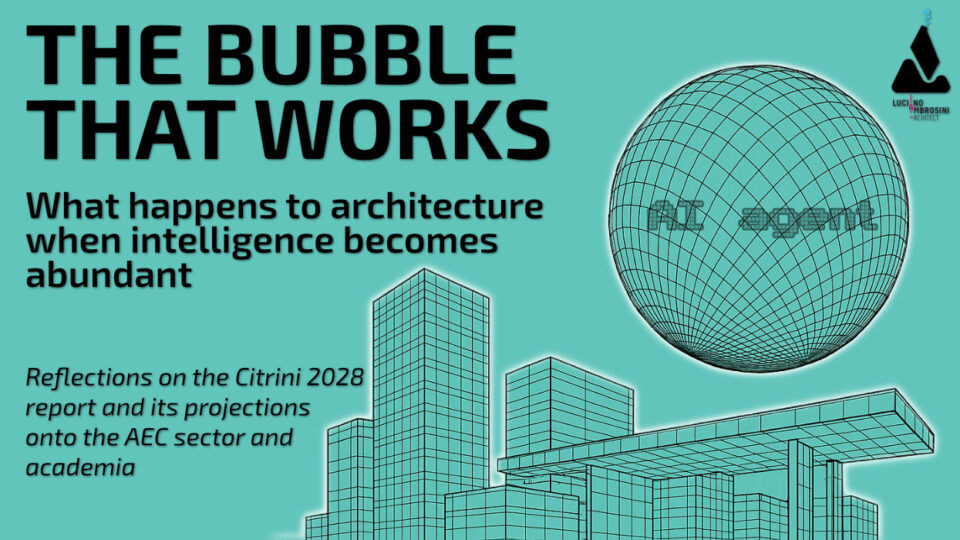
I read Citrini Research’s “The 2028 Global Intelligence Crisis” with the same attention one gives a geotechnical survey before founding a building on ground that looks solid but isn’t.
It’s not a prophecy. It’s a scenario. And it’s well built.
The central thesis is not that AI is a bubble destined to burst and disappoint. It’s the opposite, and far more unsettling: artificial intelligence could destabilise the economy precisely because it works. Because it works too well, too fast, inside a system calibrated on human imperfection.
The key mechanism is called “friction”. Modern economies — especially service economies — generate value not only by producing better outputs, but by exploiting human cognitive limitations: fatigue, inertia, irrational brand loyalty, the reluctance to compare alternatives. When an AI agent instantly compares everything, selects purely on price and measurable quality, feels no loyalty and never tires, that evaporated value doesn’t vanish — it redistributes. But to whom?
The report’s answer is bleak: not to workers.
The missing projection
The Citrini report analyses SaaS, payments, financial intermediation, private credit. It is a macroeconomic document with a financial lens.
The AEC sector — Architecture, Engineering, Construction — is almost entirely absent. And yet it is probably one of the most interesting candidates for applying the same analytical framework.
Let’s try.
Architecture’s moat
In architecture, a firm’s “competitive moat” has historically been built from things that seem solid: reputation, portfolio, client relationships, regulatory knowledge, a trusted network of collaborators, brand. These are real assets. But how much of this value is genuine technical or creative differentiation — and how much of it is friction?
Let’s ask the question with surgical bluntness.
A client commissioning a mid-sized project today does not have the cognitive resources to systematically compare twenty firms. They rely on word of mouth, Instagram profiles, familiar names, the convenience of staying within their professional network. They pay a margin for that convenience without explicitly knowing it.
An AI agent acting on that client’s behalf has no such laziness. It can analyse portfolios, certifications, delivery times, past disputes, and competency in specific project typologies. It can complete in minutes a due diligence that a human would take weeks to do — or never do at all.
If this scenario materialises at scale, a portion of architecture firms’ margins — the portion that exists not because the value is objectively superior, but because the client was not optimising — disappears.
The medieval moat turns out to be a premium that worked only as long as the client was human.
Recursivity in the AEC supply chain
Citrini describes a recursive dynamic in the software sector: companies cut staff through AI, reinvest the savings in more AI, which enables further cuts. A closed loop with no natural brake.
In the AEC sector this loop takes a specific form.
Large clients — real estate developers, public administrations, infrastructure funds — are adopting AI for specification management, cost control, and regulatory compliance checking. This reduces the value of services traditionally billed by firms: BIM coordination, preliminary feasibility analysis, production of standard technical documentation.
With reduced revenues, firms invest in AI to maintain margins with fewer staff. With fewer staff, they generate fewer internal training opportunities for young professionals. With fewer trained young professionals, the sector loses its capacity to renew itself from below.
Meanwhile, the largest clients — those with the resources to adopt advanced AI early — gain a further competitive advantage over smaller ones. The gap widens. The market concentrates.
What is genuinely at risk of disappearing
I’ve heard many reassurances along the lines of: “architecture is a creative profession, it will never be replaced by AI.” True, but it’s the wrong question.
The right question is: what percentage of AEC sector revenue is genuinely generated by irreproducible creativity — and what percentage is generated by routine cognitive tasks that depend on the artificial scarcity of human time and attention?
Photorealistic renderings that once took weeks: already automated. Preliminary energy analyses: already automated. Regulatory compliance checks on standard cases: rapidly automating. Technical specification documentation: automating. BIM discipline coordination: partially automated and accelerating.
These are not marginal items in a firm’s accounts. They are often the main body of billed work.
The creation that remains — concept definition, contextual mediation, client relationship, the construction of a place’s meaning — is real and resistant. But it is not sufficient on its own to sustain the sector’s current employment volume.
Here the most direct parallel with Citrini emerges: the problem is not that AI is incapable of doing architecture. The problem is that AI might do enough architecture to structurally reduce the demand for human labour in the sector.
The University problem
If the AEC sector changes radically in ten years, architectural education must respond with equal radicality. It is not doing so.
The structure of architectural education — five years of master’s degree, often followed by a doctorate or specialisation — is calibrated on a professional model that assumes linear growth in complexity: the graduate learns gradually, accumulates experience, rises through the firm’s hierarchy, acquires autonomy.
This model works when the learning curve is long and competencies accumulate slowly. It works when the senior knows things the junior doesn’t because complex cognitive skills take time to sediment.
AI compresses this curve brutally.
A graduate who can orchestrate AI tools for image production, environmental analysis, coding, documentary synthesis — competencies that three years ago were the preserve of experienced professionals — can today approach senior-level productivity in specific areas from the very early years of a career.
At the same time, many of the tasks through which young professionals gradually built their knowledge — support renderings, detailed modelling, regulatory research, production of standard technical drawings — are disappearing as learning opportunities because they are being absorbed by AI or eliminated from the process entirely.
Universities risk producing graduates equipped for a job market that no longer exists in the form for which the curriculum was designed.
The “Ghost GDP” of education
Citrini introduces the concept of “Ghost GDP”: output that appears in national accounts but doesn’t translate into widespread wellbeing because labour income fails to keep pace.
In architecture a parallel risk exists — one I’d call “Ghost Education”: university systems that keep producing graduates with degrees and expectations built on a contracting market, while the universities themselves — measured on enrolments, publications, grants won — show apparently healthy numbers.
The gap between the formal production of competencies and the real market demand could widen silently for years before aggregate data makes it visible. In the meantime, graduates pay the cost of this latency.
The question that matters
The Citrini report closes with a line worth repeating: “Nobody’s framework fits, because none were designed for a world where the scarce input became abundant. So we have to make new frameworks. Whether we build them in time is the only question that matters.”
In architecture and its education, this translates into a few concrete questions.
What justifies five years of training if technical competencies are accelerated by AI, and creative competencies don’t require five years to emerge in those who have them?
What portion of the “value” that firms sell to clients is genuinely irreproducible — and what portion is a product of the cognitive friction of human decision-making?
Is the regulated profession — with its licensing bodies, registers, and fee schedules — a quality safeguard, or an access barrier protecting positional rents in a market that is about to be reconfigured?
Whoever controls the flow of data on built building performance, the feedback loop between design intent and real-world behaviour, will hold an enormous structural competitive advantage in the coming years. Today this data is almost always in the hands of clients, or simply dispersed. Architecture as a profession has no culture of systematically measuring its own output.
The position I choose
I’m not writing this from a pulpit of superiority. I am an architect who uses Grasshopper, Python, C#, and AI models for environmental analysis and energy simulation every day. I have built computational tools to solve problems that would otherwise require weeks of manual work.
I know very well that what I do today with AI is incomparably faster and more precise than what I did without it. And I also know that many of the activities through which I learned the craft — patient modelling, construction details resolved by hand, renderings built pixel by pixel — I would no longer do the way I once did.
This doesn’t frighten me. It forces me to be clear about where the value of what I do actually lies.
The Citrini scenario is not a prophecy. It is a well-constructed thought experiment built on specific assumptions that may not materialise with that timing or that intensity. But the logical structure is solid, and the question it poses — what happens when intelligence becomes abundant? — is the right question to ask of the AEC sector too.
Architecture’s moat exists. But we need to stop taking for granted that it will hold simply because it always has.
🇮🇹 version
La Bolla che Funziona — Cosa succede all’architettura quando l’intelligenza diventa abbondante

Ho letto il report “The 2028 Global Intelligence Crisis” [1] di Citrini Research [1] con la stessa attenzione con cui si legge una perizia geotecnica prima di fondare un edificio su un terreno che sembra solido ma non lo è.
Non è una profezia. È uno scenario. ED è costruito bene.
La tesi centrale non è che l’AI sia una bolla destinata a scoppiare per deludere le aspettative. È l’opposto, e molto più inquietante: l’intelligenza artificiale potrebbe destabilizzare l’economia esattamente perché funziona. Perché funziona troppo bene, troppo in fretta, in un sistema che era calibrato sull’imperfezione umana.
Il meccanismo chiave si chiama “frizione”. Le economie moderne — specialmente quelle dei servizi — generano valore non solo producendo output migliori, ma sfruttando i limiti cognitivi degli esseri umani: la stanchezza, l’inerzia, la fedeltà irrazionale al marchio, la riluttanza a comparare alternative. Quando un agente AI confronta istantaneamente tutto, sceglie solo su prezzo e qualità misurabile, non prova fedeltà e non si stanca, quel valore evaporato non sparisce nel nulla: si redistribuisce. Ma a chi?
La risposta del report è desolante: non ai lavoratori.
La proiezione che manca
Il report Citrini analizza SaaS, pagamenti, intermediazione finanziaria, credito privato. È un documento macroeconomico con angolazione finanziaria.
Il settore AEC — Architecture, Engineering, Construction — è quasi assente. Eppure è probabilmente uno dei candidati più interessanti per applicare lo stesso schema di analisi.
Proviamo a farlo.
Il fossato dell’architettura
In architettura, il “fossato competitivo” di uno studio è storicamente fatto di cose che sembrano solide: reputazione, portfolio, relazioni con i clienti, conoscenza del territorio normativo, rete di collaboratori fidati, brand. Sono asset reali. Ma quanto di questo valore è genuina differenziazione tecnica o creativa, e quanto è invece frizione?
Poniamoci la domanda con brutalità chirurgica.
Un cliente che deve commissionare un progetto di medie dimensioni oggi non ha le risorse cognitive per comparare sistematicamente venti studi. Si affida al passaparola, al profilo Instagram, al nome già sentito, alla comodità di chi è nello stesso network professionale. Paga un margine per quella comodità senza saperlo esplicitamente.
Un agente AI che opera per conto di quel cliente non ha questa pigrizia. Può analizzare portfolio, certificazioni, tempi di consegna, contenzioso pregresso, competenza in specifiche tipologie. Può fare una due diligence in minuti che un umano farebbe in settimane o non farebbe affatto.
Se questo scenario si avvera su larga scala, una parte del margine degli studi di architettura — quella che esiste non perché il valore è oggettivamente superiore, ma perché il cliente non ottimizzava — scompare.
Il fossato medievale si rivela un sovrapprezzo che funzionava finché il cliente era umano.
La ricorsività nella filiera AEC
Citrini descrive una dinamica ricorsiva nel settore software: le aziende tagliano personale grazie all’AI, reinvestono i risparmi in più AI, che consente ulteriori tagli. Un circuito chiuso senza freno naturale.
Nel settore AEC questo circuito ha una forma specifica.
I grandi committenti — developer immobiliari, pubblica amministrazione, fondi infrastrutturali — stanno adottando AI per la gestione dei capitolati, il controllo dei costi, la verifica delle conformità normative. Questo riduce il valore di alcune prestazioni tradizionalmente fatturate dagli studi: coordinamento BIM, analisi preliminari di fattibilità, produzione di documentazione tecnica standard.
Con ricavi ridotti, gli studi investono in AI per mantenere i margini con meno personale. Con meno personale, producono meno opportunità di formazione interna per i giovani professionisti. Con meno giovani professionisti formati, il settore perde la capacità di rinnovarsi dal basso.
Nel frattempo, i committenti più grandi — quelli con le risorse per adottare AI avanzata in anticipo — ottengono un vantaggio competitivo ulteriore rispetto ai commitenti minori. Il gap si allarga. Il mercato si concentra.
Cosa rischia davvero di scomparire
Ho sentito molte rassicurazioni del tipo: “l’architettura è una professione creativa, non verrà mai sostituita dall’AI”. È vero, ma è la domanda sbagliata.
La domanda giusta è: quale percentuale del fatturato del settore AEC è realmente generata dalla creatività irriproducibile, e quale percentuale è generata da attività cognitive routinarie che si reggono sulla scarsità artificiale del tempo e dell’attenzione umana?
I rendering fotorealistici che richiedevano settimane: già automatizzati. Le analisi energetiche preliminari: già automatizzate. La verifica della conformità normativa su casi standard: in rapida automazione. La produzione di documentazione tecnica di capitolato: in automazione. Il coordinamento di discipline su modelli BIM: parzialmente automatizzato e in accelerazione.
Queste attività non sono marginali nel bilancio di uno studio. Sono spesso il corpo principale del lavoro fatturato.
La creazione che rimane — la definizione del concept, la mediazione con il contesto, la relazione con il committente, la costruzione del senso di un luogo — è reale e resistente. Ma non è sufficiente da sola a sostenere il volume occupazionale attuale del settore.
Qui emerge il parallelo più diretto con Citrini: il problema non è che l’AI sia incapace di fare architettura. Il problema è che l’AI potrebbe fare abbastanza architettura da ridimensionare strutturalmente la domanda di lavoro umano nel settore.
Il nodo dell’università
Se il settore AEC cambia radicalmente in dieci anni, la formazione universitaria in architettura deve rispondere in modo altrettanto radicale. Non lo sta facendo.
La struttura del percorso formativo in Italia — cinque anni di laurea magistrale, spesso seguiti da dottorato o specializzazione — è calibrata su un modello di professione che presuppone una crescita lineare della complessità: il laureato impara gradualmente, accumula esperienza, sale nella gerarchia dello studio, acquisisce autonomia.
Questo modello funziona quando la curva di apprendimento è lunga e le competenze si accumulano lentamente. Funziona quando il senior sa fare cose che il junior non sa fare perché le competenze cognitive complesse richiedono tempo per sedimentarsi.
L’AI comprime questa curva in modo brutale.
Un laureato che sa orchestrare strumenti AI per produzione di immagini, analisi ambientale, coding, sintesi documentale — competenze che tre anni fa erano prerogativa di professionisti con anni di esperienza — oggi può avvicinarsi alla produttività del senior in settori specifici fin dai primi anni di carriera.
Contemporaneamente, molte delle attività sulle quali i giovani professionisti costruivano la propria esperienza graduale — i rendering di supporto, la modellazione di dettaglio, la ricerca normativa, la redazione di tavole tecniche standard — stanno scomparendo come opportunità di apprendimento perché vengono assorbite dall’AI o eliminate dal processo.
La formazione universitaria rischia di produrre laureati attrezzati per un mercato del lavoro che non esiste più nella forma in cui è stato progettato il curriculum.
Il “Ghost GDP” della formazione
Citrini introduce il concetto di “Ghost GDP”: produzione che appare nei conti nazionali ma non si traduce in benessere diffuso perché il reddito da lavoro non cresce di pari passo.
In architettura esiste un rischio analogo che potrei chiamare “Ghost Education”: sistemi universitari che continuano a produrre laureati con titoli e aspettative costruite su un mercato che si sta contraendo, mentre le università stessa — misurate su iscrizioni, pubblicazioni, bandi vinti — mostrano numeri apparentemente sani.
Il gap tra la produzione formale di competenze e la domanda reale del mercato potrebbe ampliarsi silenziosamente per anni prima che i dati aggregati lo rendano evidente. Nel frattempo, i laureati pagano il costo di questa latenza.
La domanda che conta
Il report Citrini si chiude con una frase che vale la pena ripetere: “Nessun framework si adatta, perché nessuno è stato progettato per un mondo in cui l’input scarso è diventato abbondante. Dobbiamo costruire nuovi framework. Che lo facciamo in tempo è l’unica domanda che conta.”
In architettura e nella sua formazione, questo si traduce in alcune domande concrete:
Cosa giustifica cinque anni di formazione se le competenze tecniche vengono accelerate dall’AI e le competenze creative non richiedono cinque anni per emergere in chi le ha?
Quale parte del “valore” che gli studi vendono ai clienti è genuinamente irriproducibile, e quale parte è prodotto della frizione cognitiva del processo decisionale umano?
La professione regolamentata — con il suo Ordine, il suo Albo, la sua tariffa — è un presidio di qualità o una barriera di accesso che tutela rendite di posizione in un mercato che sta per essere ri-configurato?
Chi controlla il flusso di dati sulla performance degli edifici costruiti, il feedback loop tra progetto e comportamento reale, avrà un vantaggio competitivo strutturale enorme nei prossimi anni. Questi dati oggi sono quasi sempre in mano ai committenti o dispersi. L’architettura come professione non ha una cultura della misurazione sistematica del proprio output.
La posizione che scelgo
Non scrivo questo articolo da un pulpito di superiorità. Sono un architetto che usa Grasshopper, Python, C#, modelli AI per analisi ambientale e simulazione energetica ogni giorno. Ho costruito strumenti computazionali per risolvere problemi che altrimenti richiederebbero settimane di lavoro manuale.
So benissimo che quello che faccio oggi con l’AI è incomparabilmente più veloce e preciso di quello che facevo senza. E so anche che molte delle attività che mi hanno permesso di imparare il mestiere — la modellazione paziente, il dettaglio costruttivo risolto a mano, il rendering costruito pixel per pixel — non le farei più nel modo in cui le ho fatte io.
Questo non mi spaventa. Mi obbliga a una chiarezza su dove sta il valore di quello che faccio.
Lo scenario Citrini non è una profezia. È un esperimento mentale ben costruito su ipotesi specifiche che potrebbero non avverarsi con quella tempistica o quella intensità. Ma la struttura logica è solida, e la domanda che pone — cosa succede quando l’intelligenza diventa abbondante? — è la domanda giusta da fare anche al settore AEC.
Il fossato dell’architettura esiste. Ma dobbiamo smettere di dare per scontato che resista solo perché è sempre esistito.
Luciano Ambrosini — LA Consultancy | Architecture & Computational Design, Naples PhD in Architecture · Research in AI applications, environmental analysis, textile computational systems
References
[1] Citrini Research (James van Geelen & Alap Shah), The 2028 Global Intelligence Crisis — A Thought Exercise in Financial History, from the Future, CitriniResearch Substack, 22 February 2026. https://www.citriniresearch.com/p/2028gic
Suggested
Acemoglu, D. & Restrepo, P. (2018). Artificial Intelligence, Automation and Work. NBER Working Paper No. 24196. National Bureau of Economic Research. — The most cited theoretical reference on the relationship between AI automation and employment; it distinguishes between task displacement and task reinstatement, directly supporting the argument that this cycle may be structurally different from previous ones.
Brynjolfsson, E., Li, D. & Raymond, L. (2023). Generative AI at Work. NBER Working Paper No. 31161. — Empirical study on the impact of an LLM on knowledge workers in a real workplace setting: junior employees rapidly close the productivity gap with seniors. The most direct data point supporting the section on universities and the compression of the learning curve.
Deutsch, R. (2022). Superusers: Design Technology Specialists and the Future of Practice. Routledge. — Addresses explicitly how the “superuser” computational profile is redefining firm structures and career models in architecture. Consistent with your voice and positioning.
